03 Aug 2026
Obesity and Joint Replacement: Weight and BMI Guidelines in Amritsar

Dr. Bikram Jit Singh
19 Dec 2025
Call +91 80788 80788 to request an appointment.
This patient-focused guide from Livasa Hospitals — Livasa Amritsar explains how psoriasis can differ between men and women, what causes those differences, and how diagnosis and treatment are tailored by dermatology specialists in Amritsar and Punjab. If you are searching for psoriasis diagnosis Amritsar, psoriasis specialist Amritsar or the best psoriasis doctor Punjab, this guide will help you understand gender-specific symptoms, therapy options in Punjab, management and prevention tips, cost considerations in Amritsar and when to seek urgent care. To book an appointment at Livasa Amritsar, call +91 80788 80788 or visit Livasa Hospitals appointment.
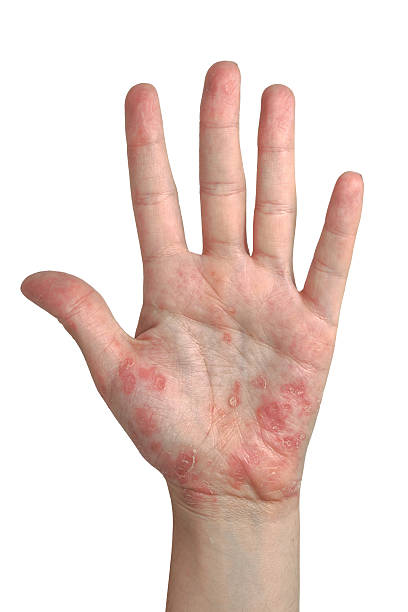
Psoriasis is a chronic immune-mediated skin disease that leads to red, scaly, itchy plaques and can affect nails, scalp and joints. Its course is unpredictable: some people have only occasional flares while others live with persistent moderate to severe disease. Importantly, scientific research and clinical observations from dermatology departments in Punjab show that biological sex, hormones, lifestyle and social factors all influence how psoriasis starts, how severe it becomes and which treatments work best. This blog focuses specifically on these gender-related differences and what they mean for patients living in Amritsar and neighbouring districts.
Worldwide, psoriasis affects roughly 2–3% of the population; in India, prevalence estimates vary (commonly reported ranges are approximately 0.4–2.8%) depending on the study population and region. Although robust, city-level epidemiology for Amritsar is limited, local dermatology clinics including Livasa Amritsar report a steady number of new and follow-up psoriasis consultations every month — reflecting rising awareness and improved access to dermatology treatment in Punjab. This guide will help you recognise gender-specific symptoms, understand diagnostic pathways available in Amritsar, compare treatment options offered by psoriasis specialists Punjab, and make informed choices about long-term management and prevention.
Psoriasis arises when the immune system, particularly T cells and cytokines like TNF-alpha, IL-17 and IL-23, becomes overactive and accelerates skin cell production. Normally skin cells renew over about 28–30 days; in psoriasis this process can shorten to 3–7 days, causing thickened, flaky plaques. There are several clinical types: plaque (the most common), guttate (small drop-like lesions), inverse (in skin folds), pustular and erythrodermic (rare, severe forms). Psoriatic arthritis is an inflammatory joint disease that affects an estimated 6–30% of people with psoriasis and requires early detection to prevent joint damage.
Causes of psoriasis are multifactorial. Genetic predisposition plays a major role — more than 60 susceptibility loci have been identified — but environmental triggers including infections, stress, medications (for example certain beta-blockers or lithium), skin trauma (Koebner phenomenon), alcohol, smoking and obesity are important modulators. Hormones also affect disease activity: puberty, pregnancy and menopause can modify psoriasis severity, making gender-specific care essential.
In Punjab and Amritsar specifically, lifestyle factors such as tobacco use, alcohol consumption and diet changes in urban populations have been associated with more frequent flares. While precise prevalence numbers by gender for Amritsar are not yet standardized, national and international studies typically report roughly equal prevalence in men and women but notable differences in age at onset, severity and comorbidity profiles. This means dermatology treatment Amritsar needs to account for gender-specific patterns when screening, diagnosing and treating patients.
Although overall prevalence is similar between sexes, the way psoriasis presents and progresses often differs. Immunologically, men and women show differences in immune response regulation: estrogen and progesterone can modulate T-cell responses and cytokine production, sometimes leading to changes in disease activity during hormonal transitions such as pregnancy or menopause. Testosterone can also influence immune function and skin structure. These hormonal effects translate into practical differences clinicians observe in Amritsar and across Punjab.
Common gender-related trends reported by psoriasis specialist Punjab and international literature include:
These distinctions matter for dermatology treatment Amritsar: a psoriasis specialist Amritsar will screen differently for psoriatic arthritis, cardiovascular risk, mood disorders and reproductive plans when tailoring psoriasis management for male and female patients.
Psoriasis in women has unique considerations across the reproductive life span. Symptoms of plaque psoriasis in women are similar to men (well-defined plaques with silvery scale) but women may more often present with sensitive or hidden-site disease such as flexural (inverse) psoriasis or scalp and genital involvement. These anatomical differences can affect quality of life, sexual health and mental well-being. Women are also more likely to report pain, itching and discomfort impacting sleep and daily activities.
Pregnancy frequently raises questions: some women notice improvement in pregnancy due to immunological changes, while up to one-third experience worsening. The postpartum period is a high-risk time for flares due to hormonal shifts. Medication safety during pregnancy and breastfeeding is a critical consideration — many systemic psoriasis medications (for example methotrexate) are contraindicated in pregnancy, whereas some biologics may be used selectively under specialist guidance. Women with psoriasis who are planning a pregnancy or are pregnant should consult a psoriasis specialist Amritsar early for tailored, safe therapy.
Menopause can alter disease course: declining estrogen and shifts in immune balance may trigger flares or make disease more persistent. Additionally, the metabolic changes associated with menopause — weight gain, altered lipid profile and insulin resistance — can increase psoriasis severity and cardiometabolic risk. In Amritsar and across Punjab, Livasa Amritsar dermatologists work with gynecologists and endocrinologists to manage these overlapping health concerns and provide gender-specific psoriasis treatment Punjab residents can access locally.
Psychological impact is also prominent: women with psoriasis commonly report higher rates of anxiety, depression and body-image concerns. Livasa Hospitals dermatology teams in Amritsar incorporate counselling, patient education and where appropriate, referrals to mental health services to ensure holistic care. This gender-sensitive approach improves adherence and long-term outcomes.
Men with psoriasis frequently present with more extensive plaques, greater nail involvement and a higher likelihood of moderate-to-severe disease by clinical scoring systems. Behavioral risk factors such as higher rates of tobacco use, alcohol consumption and reluctance to seek early dermatology care can contribute to later presentations and more advanced disease in some men. These patterns have been observed by psoriasis specialists Punjab, including clinicians at Livasa Amritsar.
Comorbid conditions are particularly important in men: cardiovascular disease, metabolic syndrome and type 2 diabetes are more prevalent among men with psoriasis, especially in those with severe skin disease. Psoriatic arthritis can be equally common in both sexes but men may present with different joint patterns and may delay seeking rheumatology care. Early screening for joint pain, morning stiffness and reduced function is emphasized by psoriasis clinic Punjab teams to avoid irreversible joint damage.
Occupational exposure and lifestyle must be addressed in Amritsar-based care plans. Manual labourers or those with regular skin trauma may experience Koebnerization (new psoriasis lesions at sites of injury). Men are also less likely to adhere to topical regimens long-term, so dermatologists in Amritsar frequently discuss simplified protocols, combination therapies and when appropriate, initiate systemic or biologic therapy to control disease effectively while minimizing daily treatment burden.
Finally, psychological effects matter: men may underreport the emotional impact of psoriasis, so proactive screening for depression and offering support resources at Livasa Amritsar and other psoriasis clinics Punjab-wide is part of comprehensive care.
Accurate diagnosis begins with a detailed history and clinical skin examination. When you visit Livasa Amritsar or another psoriasis hospital Punjab, expect the dermatologist to ask about the onset of lesions, family history, triggering events (infections, medications, stress), joint symptoms and reproductive plans. Because gender changes how psoriasis presents, your dermatologist will tailor the assessment: women will be asked about menstrual cycles, pregnancy plans and hormone therapies; men about lifestyle risk factors, nail changes and joint symptoms.
Common diagnostic steps available at Livasa Amritsar include:
Gender-specific diagnostic considerations in Amritsar clinics include pregnancy testing before systemic therapies for women of childbearing potential and screening for alcohol-, tobacco-related health risks in men. Livasa Amritsar offers integrated diagnostic services with dermatology nurses, lab facilities and links to rheumatology and obstetrics teams so care is coordinated locally in Punjab.
Psoriasis therapy is personalised according to disease severity, site of lesions, comorbidities, pregnancy plans, patient preference and cost. Options range from topical creams to systemic oral drugs and targeted biologic therapies. In Amritsar, psoriasis treatment Punjab includes access to topical corticosteroids, vitamin D analogues, phototherapy (narrowband UVB), conventional systemic agents (methotrexate, cyclosporine, acitretin), small molecules (apremilast) and biologics (anti-TNF, anti-IL-17, anti-IL-23 agents) through specialised psoriasis clinics and hospitals like Livasa Amritsar.
Below is a comparison table to help patients understand the trade-offs between common treatment types. Use this as a general guide; your psoriasis specialist in Amritsar will recommend the best option for your situation.
| Treatment type | Benefits | Onset of action / monitoring |
|---|---|---|
| Topical therapy (steroids, vitamin D analogues) | Localized control, low systemic risk, inexpensive | Days to weeks; minimal blood monitoring |
| Phototherapy (narrowband UVB) | Effective for widespread disease, steroid-sparing | Several weeks; regular sessions (2–3/week), eye and skin safety checks |
| Conventional systemic (methotrexate, cyclosporine, acitretin) | Affordable for many, effective for moderate-severe disease | Weeks to months; requires blood tests and monitoring |
| Biologics (anti-TNF, IL-17, IL-23) | Highly effective, targeted therapy, improves quality of life | Fast (weeks); baseline infection screening and periodic monitoring; higher cost |
| Small molecules (apremilast) | Oral option, moderate efficacy, fewer monitoring needs than some systemics | Weeks to months; monitoring for side effects like GI upset and weight change |
Alongside medical therapy, adjuvant strategies are essential: moisturisers, keratolytics, addressing obesity, smoking cessation and mental health support. Phototherapy and biologics often require a psoriasis clinic Punjab-based specialist for administration and follow-up; Livasa Amritsar offers these services with experienced dermatologists and nursing teams.
Choosing the right therapy requires attention to gender-specific needs. For women of childbearing potential in Amritsar, psoriasis specialists will ask about contraception, pregnancy plans and breastfeeding. Some systemic medications such as methotrexate and acitretin are strictly contraindicated in pregnancy and require washout periods before conception. Biologics may be considered with specific safety profiles and under close supervision; some agents have more pregnancy safety data than others. Livasa Amritsar dermatologists coordinate with obstetricians to plan safe treatment pathways and maintain disease control while protecting foetal health.
For men, clinicians pay special attention to cardiometabolic risk modification and lifestyle interventions because of higher smoking and alcohol rates documented in some Punjab populations. When starting systemic agents that have potential liver or kidney effects, baseline lab monitoring and regular follow-up are critical. For those who do manual or outdoor labour, the choice of therapy also factors in convenience: longer-interval biologics or oral medications can be preferable to complex topical regimens that interfere with daily work.
Adherence and access are central to treatment success in Amritsar. The cost of biologics can be a barrier for many families in Punjab, so psoriasis management Punjab teams often consider stepwise approaches: topical and phototherapy first for mild-moderate disease, oral agents for moderate-severe disease, and biologics for refractory or severe presentations. Patient education about side effects, monitoring requirements and realistic expectations for response time improves outcomes and helps patients make informed, gender-appropriate choices.
Practical tips offered by Livasa Amritsar dermatologists include pre-treatment counselling, simplified topical schedules for men with busy schedules, pregnancy planning discussions for women and multidisciplinary management for comorbid conditions. This gender-aware model ensures that both men and women receive effective, safe and culturally appropriate psoriasis care in Amritsar.
Cost is an important consideration for many patients when selecting a psoriasis clinic Punjab-wide. Costs vary widely depending on diagnosis complexity, investigations, therapy chosen and duration of treatment. In Amritsar, Livasa Amritsar offers tiered options so patients can access evidence-based therapies within budget constraints. Below is an approximate cost comparison table to illustrate the typical ranges in Punjab/Amritsar. These are estimates and actual costs depend on medication brand, frequency, monitoring tests and health insurance coverage.
| Intervention | Estimated cost in Amritsar (INR) | Notes |
|---|---|---|
| Topical treatments (monthly) | ₹500 – ₹4,000 | Depends on steroid potency and brand; insurance coverage limited |
| Phototherapy (package) | ₹6,000 – ₹25,000 per course | Cost varies by number of sessions; effective for many moderate cases |
| Systemic oral drugs (monthly) | ₹300 – ₹6,000 | Methotrexate and generic options less expensive; monitoring tests add cost |
| Biologics (monthly) | ₹20,000 – ₹90,000+ | High cost but high efficacy; biosimilars and patient assistance programs may reduce price |
If cost is a barrier, discuss with your dermatologist in Amritsar about generics, biosimilars, patient assistance programs and step-up approaches. Livasa Amritsar can help estimate the psoriasis cost in Amritsar during consultation and discuss financing and insurance options. When choosing the best psoriasis dermatologist in Amritsar or a psoriasis clinic Punjab, consider: clinician experience, access to phototherapy and rheumatology, ability to coordinate care for pregnancy and comorbidities, and transparent cost counselling.
Long-term care for psoriasis combines medical therapy with lifestyle measures: reducing triggers, moisturizing daily and managing stress. Gender-specific prevention tips can improve disease control: for women, carefully plan pregnancies around safe treatment options and prioritise postpartum follow-up; for men, targeted smoking cessation, alcohol moderation and weight management reduce flare frequency and systemic risk.
Practical home-management steps recommended by Livasa Amritsar dermatologists include:
Home remedies (oatmeal baths, coal tar shampoos, moisturising with emollients) can be supportive but should not replace prescription therapy for moderate to severe disease. If you live in Amritsar and are exploring psoriasis home treatment Amritsar options, discuss them with a dermatologist first to avoid interactions with prescribed medications and to ensure safe use during pregnancy or breastfeeding.
Do’s and don’ts for patients in Amritsar:
Most psoriasis flares are managed in outpatient dermatology clinics, but certain signs require urgent attention. Seek immediate medical care if you experience rapidly spreading rash with extensive skin peeling (possible erythrodermic psoriasis), fever and chills with skin symptoms, painful pustules and systemic features, or sudden onset of severe joint pain and swelling suggestive of inflammatory arthritis. These emergency signs should prompt a visit to a psoriasis hospital Punjab or your nearest emergency department; Livasa Amritsar provides urgent dermatology evaluation and can coordinate inpatient care if necessary.
For long-term success, develop a personalised psoriasis management plan with your dermatologist that includes:
Follow-up frequency varies: patients on topical treatments may be reviewed every 3–6 months; those on systemic or biologic therapy often require monitoring at 4–12 week intervals initially. If you are looking for the best psoriasis doctor in Amritsar, consider clinicians who offer multidisciplinary support and clear, written long-term plans — such as those available at Livasa Amritsar.
If you live in Amritsar or nearby and need expert, gender-sensitive psoriasis care, Livasa Amritsar provides dermatology treatment Amritsar residents trust, including diagnosis, phototherapy, systemic and biologic therapy, pregnancy-safe options and integrated care for psoriatic arthritis. To schedule a consultation with a psoriasis specialist Amritsar, call +91 80788 80788 or book online. Our team will discuss psoriasis cost in Amritsar, likely treatment pathways and help you create a personalised care plan.
Keywords for quick reference: psoriasis treatment Punjab, psoriasis specialist Punjab, psoriasis in women Punjab, psoriasis in men Punjab, psoriasis in Amritsar, best psoriasis dermatologist in Amritsar, psoriasis cost in Amritsar.
Livasa Hospitals — Livasa Amritsar is committed to respectful, evidence-based, gender-sensitive psoriasis care for all ages. If you have additional questions about gender differences psoriasis Amritsar or want to know more about psoriasis therapy options Punjab offers, call +91 80788 80788 or visit Livasa Hospitals appointment to speak with our dermatology team.
Obesity and Joint Replacement: Weight and BMI Guidelines in Amritsar
Diabetes, Heart Disease and Joint Replacement: Multispeciality Care in Amritsar
Home Modifications After Joint Replacement: Safety Tips for Amritsar Patients
Livasa Healthcare Group Corporate Office,Phase-8, Industrial Area, Sector 73, Sahibzada Ajit Singh Nagar, Punjab 160071
| Mohali | +91-99888 23456 |
| Amritsar | +91-99887 49494 |
| Hoshiarpur | +91-99883 35353 |
| Nawanshahr | +91-75081 82337 |
| Khanna | +91-98888 05394 |
