03 Aug 2026
Obesity and Joint Replacement: Weight and BMI Guidelines in Amritsar

Dr. Bikram Jit Singh
19 Dec 2025
Call +91 80788 80788 to request an appointment.
A detailed patient-friendly guide by Livasa Hospitals — Livasa Amritsar. For appointments call +91 80788 80788 or book online at livasahospitals.com/appointment.
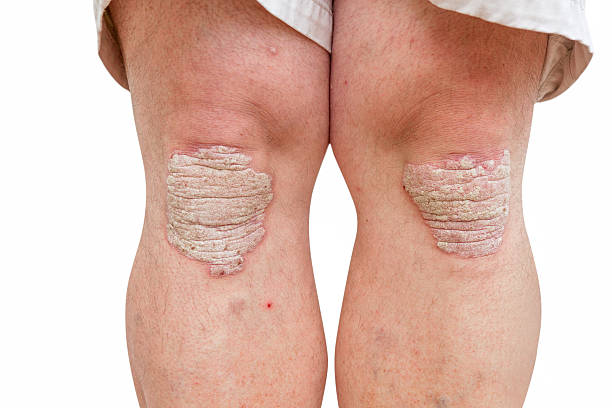
Psoriasis is a chronic inflammatory skin condition that affects people across the world. It commonly causes thick, red, scaly patches that may be itchy or painful and can affect any part of the skin, including the scalp, palms, soles and nails. Globally, psoriasis affects roughly 2–3% of the population, which translates to approximately 125 million people living with psoriasis at some point in their lives. In India, prevalence estimates vary by region and study design but typically range from 0.5% to 2.8% among different communities. In Punjab and cities like Amritsar, dermatologists see a steady number of new and recurrent psoriasis cases because of regional lifestyle, occupational and environmental factors.
This article focuses on the causes related to psoriasis in Amritsar and the surrounding areas, how the condition is diagnosed and treated locally, and the resources available at Livasa Amritsar for patients seeking comprehensive dermatology treatment in Punjab. It aims to provide a clear, actionable guide for patients and families: what to expect, when to seek care, and how to manage psoriasis long term.
Psoriasis is a complex condition with multiple interacting causes. At the center is an immune-mediated process: the body’s immune system, particularly T-cells, becomes overactive and signals skin cells (keratinocytes) to multiply faster than normal. This accelerated cell turnover leads to the hallmark thickened, scaly plaques. Yet immune activity alone does not fully explain why psoriasis begins or why it flares; genetic predisposition and environmental triggers are also key contributors.
Important causal contributors include:
Understanding that psoriasis is both systemic and cutaneous is important: while symptoms appear on the skin, the condition involves whole-body inflammation and may require multidisciplinary care.
While the basic disease mechanisms are universal, several local factors in Amritsar and the wider Punjab region can contribute to onset and flare-ups. Recognizing regional contributors helps doctors provide tailored care and practical advice for patients living in Amritsar.
Key local causes and triggers include:
Local dermatologists in Amritsar evaluate these contextual factors during consultations and create individualized plans that address environment, occupation and lifestyle, in addition to prescribing medical therapy.
Psoriasis presents in several subtypes. Each subtype has distinct clinical patterns and sometimes specific triggers. Recognizing the type helps guide treatment choices at centers like Livasa Amritsar.
Major types and associated causes:
Classifying the psoriasis subtype is essential for selecting therapies: topical agents and emollients are often adequate for small plaque disease, while biologics may be indicated for severe plaque psoriasis or psoriatic arthritis.
Symptoms of psoriasis are often visible and can be distressing. Common signs include red or pink plaques covered by silvery scales, itching or burning sensations, cracked skin that may bleed, nail changes (pitting, onycholysis), and joint pain if psoriatic arthritis is present.
How psoriasis is diagnosed:
When to see a doctor in Amritsar:
Livasa Amritsar’s dermatology team provides comprehensive diagnostic services including dermoscopy, skin biopsy and multidisciplinary assessment (dermatology with rheumatology and internal medicine) for psoriatic arthritis and comorbidities.
Treatment is personalized based on psoriasis type, severity, patient age, comorbidities and lifestyle. Therapies available in Amritsar include topical treatments, phototherapy, traditional systemic drugs, and modern biologic agents. Below is a clear comparison to help patients and families understand differences, benefits and expected timelines.
| Treatment type | Benefits | Side effects & considerations |
|---|---|---|
| Topical agents (corticosteroids, vitamin D analogues, calcineurin inhibitors) | Good for mild-to-moderate localized plaques; quick symptom relief; low systemic risk. | Skin thinning with potent steroids, tachyphylaxis; not adequate for extensive disease. |
| Phototherapy (narrowband UVB, PUVA) | Effective for widespread disease; non-systemic; useful in pregnancy when chosen carefully. | Requires multiple clinic visits; long-term UV exposure risk; not suitable for photosensitive patients. |
| Traditional systemic drugs (methotrexate, cyclosporine, acitretin) | Effective for moderate-to-severe disease; generally less costly; oral or injectable options. | Need regular blood monitoring for toxicity (liver/kidney); teratogenic risks for some agents. |
| Biologics (anti-TNF, anti-IL17, anti-IL23) | High efficacy, can clear skin substantially; also effective for psoriatic arthritis. | Higher cost, require screening for infections (TB, hepatitis); long-term safety monitoring. |
| Adjunctive & alternative therapies (emollients, diet changes, stress management) | Supportive care that improves skin comfort and complements medical therapy. | Not sufficient as monotherapy for moderate-to-severe disease; evidence for many supplements is limited. |
At Livasa Amritsar, dermatologists discuss advantages and disadvantages of each option with patients, considering local factors such as seasonal availability of phototherapy, travel distance for repeat sessions, and affordability when recommending systemic or biologic therapies.
Chronic conditions need long-term strategies. For psoriasis management in Punjab—where environmental and lifestyle factors vary across seasons—successful outcomes combine medical therapy with daily self-care, trigger control and monitoring for related health conditions.
Practical long-term management principles:
Cost considerations in Punjab and Amritsar: The cost of psoriasis care varies widely depending on therapy chosen. Topical treatments and phototherapy are generally more affordable; systemic conventional medicines have moderate cost and require monitoring; biologic agents are more expensive but sometimes offset by improved quality of life and reduced indirect costs (lost workdays, hospital visits).
| Treatment category | Approximate cost range in Amritsar (INR) | Notes |
|---|---|---|
| Topical therapy | ₹300 – ₹2,500 per month | Low cost but needs consistent use; steroid-sparing strategies recommended for long term. |
| Phototherapy (NBUVB) | ₹1,000 – ₹6,000 per month depending on sessions | Multiple weekly sessions required; travel/time costs should be considered. |
| Traditional systemics | ₹500 – ₹5,000 per month (plus monitoring) | Monitoring tests add to cost; methotrexate often affordable and effective for many patients. |
| Biologics | ₹20,000 – ₹1,50,000+ per month depending on drug and dosing | High cost but sometimes subsidized via manufacturer programs or insurance; long-term monitoring required. |
These ranges are indicative; actual costs at Livasa Amritsar will vary by regimen, insurance coverage and individual clinical needs. Discuss financing with the dermatology team during consultation.
In addition to medical therapy, certain home-care measures can significantly improve comfort and reduce flares. These are practical steps that people living in Amritsar can adopt immediately, while staying aligned with medical advice from a psoriasis specialist.
Recommended home-care measures:
Do’s and don’ts specific to Amritsar:
Most psoriasis care can be planned and followed up with outpatient dermatology visits. However, certain signs indicate the need for urgent medical attention or hospital-level care.
Seek immediate help if you experience:
For these emergencies in Amritsar, contact the Livasa Amritsar dermatology team immediately at +91 80788 80788 or book an urgent appointment at livasahospitals.com/appointment. The hospital coordinates rapid assessments and multidisciplinary management to stabilize patients and prevent complications.
Choosing the right specialist can influence outcomes. Look for board-certified dermatologists with experience in psoriasis management, access to phototherapy and systemic therapies, and collaboration with rheumatology for joint disease. In Amritsar, Livasa Amritsar’s dermatology unit provides:
Nearby locations and accessibility: Livasa Amritsar serves patients across Amritsar city and nearby areas including Mall Road, Ranjit Avenue, GT Road corridors, Putlighar and surrounding suburbs. The clinic is accessible for weekday and urgent appointments and offers teleconsultation for follow-ups when appropriate.
How to choose a specialist:
To consult with a psoriasis specialist at Livasa Amritsar, call +91 80788 80788 or book online. The team will help you select the right treatment pathway tailored to your needs and lifestyle in Punjab.
Psoriasis is a lifelong condition for many people, but with accurate diagnosis, individualized treatment and good self-care, most patients can achieve significant improvement in symptoms and quality of life. In Amritsar and all across Punjab, combining medical advances (including biologics) with practical lifestyle changes and trigger management offers the best chance for durable control.
Livasa Amritsar’s dermatology team emphasizes a compassionate, evidence-based approach: treat the skin, screen and manage systemic risks, and support patients through education and accessible follow-up. If you suspect psoriasis or are struggling with ongoing flares, early evaluation by a psoriasis specialist can prevent complications such as psoriatic arthritis and help you find the right long-term plan.
For expert psoriasis care in Amritsar, contact Livasa Amritsar. Call +91 80788 80788 or book an appointment online. Our dermatology team will evaluate your condition, discuss causes related to psoriasis in Amritsar and tailor a treatment and long-term management plan that fits your life.
Disclaimer: The information in this article is intended for general education and should not replace an individualized consultation with a qualified healthcare professional. Cost estimates are indicative and vary by treatment specifics, follow-up needs and local pricing.
Obesity and Joint Replacement: Weight and BMI Guidelines in Amritsar
Diabetes, Heart Disease and Joint Replacement: Multispeciality Care in Amritsar
Home Modifications After Joint Replacement: Safety Tips for Amritsar Patients
Livasa Healthcare Group Corporate Office,Phase-8, Industrial Area, Sector 73, Sahibzada Ajit Singh Nagar, Punjab 160071
| Mohali | +91-99888 23456 |
| Amritsar | +91-99887 49494 |
| Hoshiarpur | +91-99883 35353 |
| Nawanshahr | +91-75081 82337 |
| Khanna | +91-98888 05394 |
