03 Aug 2026
Obesity and Joint Replacement: Weight and BMI Guidelines in Amritsar

Dr. Vineet Saggar
21 Apr 2026
Call +91 80788 80788 to request an appointment.
This article explains how timely pre-hospital care, a dedicated stroke ambulance, and a well-established stroke pathway connect suspected stroke patients in Amritsar to the neuro team at Livasa Hospitals — Livasa Amritsar. It is written for patients, families, first responders and referring hospitals, and covers symptoms, the emergency stroke referral process, acute treatments such as thrombolysis and thrombectomy, telestroke options, rehabilitation, costs, and how to reach the neuro team quickly.
Stroke is a time-critical medical emergency. When a blood vessel supplying the brain becomes blocked or bursts, brain tissue is deprived of oxygen and nutrients: cells begin to die within minutes. The difference between a good recovery and lifelong disability often depends on how quickly the patient is evaluated, imaged, and treated. In urban centres like Amritsar, a seamless stroke pathway — starting with a rapid stroke ambulance response and pre-notification of the hospital’s neuro team — can dramatically reduce delays.
Globally, the World Health Organization estimates that around 15 million people suffer a stroke every year; about 5 million die and 5 million are left permanently disabled. In India, stroke is one of the leading causes of adult disability and premature death, with estimates of well over a million new strokes annually; tertiary hospitals in Punjab and cities like Amritsar see a rising number of acute stroke admissions each year. Local coordinated systems of care — including stroke ambulance Punjab services and telestroke services Punjab — are therefore essential to improving outcomes.
This article explains how the emergency stroke referral pathway at Livasa Amritsar works, what patients and families should look for, how first responders act, and what treatments are available 24x7 at our centre. If you suspect stroke in Amritsar, calling an emergency ambulance immediately can save a life: call +91 80788 80788 or book an appointment for follow-up at Livasa Hospitals.
A stroke occurs when blood flow to a part of the brain is interrupted (ischemic stroke) or when a blood vessel bursts (hemorrhagic stroke). The most common type is ischemic stroke (about 80–85% of cases). Regardless of type, symptoms can progress quickly — early recognition and rapid treatment are the cornerstones of recovery.
Common causes and risk factors include:
Recognizing stroke symptoms quickly helps you act. Use the FAST checklist:
Time is brain: in ischemic stroke, every minute of large vessel occlusion causes the loss of millions of neurons. Treatments such as intravenous thrombolysis are most effective when given early — ideally within a narrow window. That is why integrated pre-hospital systems (stroke ambulances, pre-notification, stroke code activation) are a lifesaving link between the scene and the neuro team at hospitals like Livasa Amritsar.
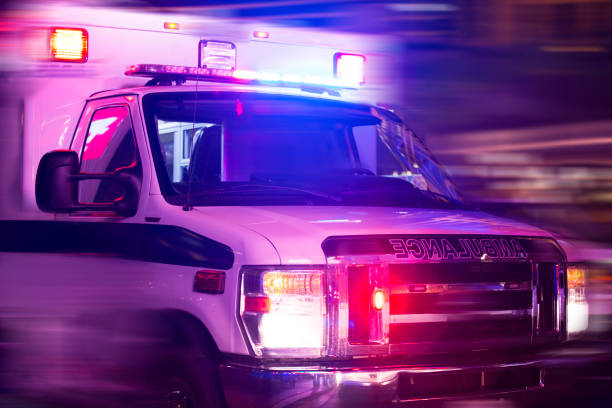
Livasa Amritsar emphasizes a 24x7 rapid response model. A dedicated stroke ambulance Amritsar or any emergency ambulance that recognizes stroke symptoms must transport the patient to a stroke-capable hospital with pre-notification to the neuro team. In Punjab, multiple initiatives now support quicker transport, including designated 24x7 ambulance hospital Punjab networks, trained paramedics, and telestroke links for smaller hospitals.
Key features of an effective stroke ambulance system include:
For patients and families in Amritsar seeking emergency care, important keywords and services to look for are stroke ambulance near me Amritsar, stroke emergency ambulance Punjab, stroke fast response team Amritsar, and call ambulance for stroke Amritsar. Livasa Amritsar coordinates with local ambulance services and provides clear instructions for first responders to ensure a fast door-to-treatment process.
Livasa Amritsar has an established stroke pathway that shortens delays from the field to definitive treatment. The goal is to minimize the "door-to-needle time" for thrombolysis and expedite transfer for endovascular thrombectomy when indicated. The pathway is an integrated chain of care linking ambulance, emergency department, radiology and the neuro team.
Typical step-by-step stroke pathway at Livasa Amritsar:
Door-to-needle time Amritsar: Livasa Amritsar tracks metrics such as door-to-CT and door-to-needle times to ensure continuous quality improvement. International guidelines recommend door-to-needle under 60 minutes, with many comprehensive centres aiming for under 45 minutes. When an ambulance pre-notifies the stroke team, Livasa Amritsar routinely achieves significantly shorter door-to-treatment intervals compared with non-pre-notified arrivals.
Rapid and accurate diagnostics are essential. Livasa Amritsar offers 24x7 imaging and acute stroke therapies to manage both ischemic and hemorrhagic strokes. Immediate imaging identifies whether a stroke is ischemic (eligible for thrombolysis) or hemorrhagic (managed differently).
Available acute services include:
Because different acute treatments suit different patients, the neuro team evaluates each case individually. Below is a comparison table that helps explain the differences and benefits of common acute interventions.
| Procedure type | Benefits | Time window / recovery |
|---|---|---|
| Intravenous thrombolysis (alteplase) | Can dissolve clot quickly; improves functional outcome if given early | Best within 4.5 hours of onset; recovery varies but early treatment improves prognosis |
| Endovascular thrombectomy | Direct removal of large clots; high impact on severe strokes with large vessel occlusion | Typically up to 6–24 hours depending on imaging selection; rapid neurologic improvement possible |
| Conservative/medical management | Used for hemorrhagic stroke or when reperfusion therapies contraindicated; focus on stabilization and prevention | Ongoing inpatient monitoring; recovery depends on severity and complications |
Livasa Amritsar documents outcomes such as door-to-needle time, symptomatic hemorrhage rates after thrombolysis, and 90-day functional outcomes. For many eligible patients in Amritsar, timely thrombolysis or thrombectomy can mean the difference between independence and disability.
After acute stabilization, stroke care shifts to preventing complications, starting rehabilitation early, and secondary prevention. Livasa Amritsar operates a dedicated stroke unit where a multidisciplinary team — neurologists, physiotherapists, occupational therapists, speech therapists, nurses and social workers — work together to optimize recovery.
Key components of post-acute stroke care include:
Rehabilitation may be delivered as inpatient, outpatient or community-based programmes depending on the patient's needs. The table below compares typical rehabilitation pathways to help families choose the most appropriate option in Amritsar.
| Rehab pathway | When used | Advantages |
|---|---|---|
| Inpatient stroke unit | Severe deficits, medically unstable, need intensive therapy | 24-hour monitoring, multidisciplinary input, intensive daily therapy |
| Outpatient rehab | Medically stable, able to travel to therapy appointments | Flexible scheduling, cost-effective, good for ongoing functional recovery |
| Home-based/community rehab | Limited mobility or resource constraints | Convenient, family-centred, adapts to daily life tasks |
Livasa Amritsar's rehabilitation services are tailored to local needs. The hospital collaborates with community rehabilitation services in and around Amritsar to ensure continuity of care. Stroke prevention clinics at Livasa focus on long-term risk reduction through medication management, lifestyle modification and periodic follow-up.
Immediate steps for anyone who finds a person with suspected stroke can be simple but crucial. Time saved before arrival at a stroke-capable hospital increases treatment options and improves outcomes.
Checklist for families and bystanders in Amritsar:
First responders and smaller hospitals should use the emergency neuro referral pathway: perform an immediate clinical assessment, obtain a focused point-of-care glucose, contact Livasa Amritsar via the emergency number or telestroke link for advice, and prepare the patient for swift transfer. Pre-notification to the receiving stroke code at Livasa ensures radiology and the stroke team are ready on arrival, minimizing door-to-needle time. Families should also ensure that they have identification and a list of medications ready to hand over to hospital staff.
Many families ask about the cost of acute stroke treatments, how to access the neuro team, and what insurance covers. Costs vary by treatment, complexity, length of hospital stay and the need for procedures like thrombectomy. To help planning, Livasa Amritsar provides transparent estimates and works with families to explore insurance and financial counselling.
Common questions and answers:
Livasa Amritsar aims to make care accessible: as a 24x7 ambulance hospital Amritsar, it provides round-the-clock imaging, neurology and interventional services. Families seeking follow-up rehabilitation, secondary prevention or stroke prevention clinic referrals can arrange appointments through the hospital website or phone number.
Stroke is a medical emergency that requires coordinated, rapid action from the scene to the stroke unit. In Amritsar and across Punjab, the development of stroke ambulance services, telestroke links, and dedicated stroke pathways to neurologists and interventional teams has improved access to life-saving treatments. Livasa Hospitals — Livasa Amritsar is committed to delivering evidence-based acute treatments (including thrombolysis and thrombectomy), 24x7 imaging, and comprehensive rehabilitation to maximize recovery.
If you are in Amritsar or nearby and suspect stroke, act immediately: call an ambulance, note the time of symptom onset, and insist on pre-notification to a stroke centre. For emergencies or to discuss stroke care pathways and follow-up services such as the stroke prevention clinic or rehabilitation, contact Livasa Amritsar at +91 80788 80788 or book online. Early action matters — the faster the response, the better the chances of recovery.
In an emergency in Amritsar: Call an ambulance and ask for stroke transport. For direct contact with Livasa Amritsar’s emergency neuro team, call +91 80788 80788.
To schedule a non-emergency consultation or follow-up with a neurologist for stroke in Punjab, book an appointment online.
When planning discharge or community-based care, families in Amritsar can access local resources coordinated by Livasa Amritsar:
Livasa Amritsar also supports referring hospitals across Punjab through emergency neuro referral Punjab pathways and telestroke consults to make sure that patients receive the right level of care at the right time. For clinicians and paramedics, Livasa provides protocols for pre-notification, transfer checklists, and 24x7 direct contact numbers to streamline care.
Remember: strokes are treatable if recognized early. The chain of survival includes early recognition, rapid ambulance activation, pre-hospital notification, immediate imaging at a stroke-capable hospital and timely treatment by the neuro team. In Amritsar, Livasa Hospitals has established a responsive stroke pathway to the neuro team Amritsar aimed at reducing door-to-needle time and improving patient outcomes. Keep the emergency number +91 80788 80788 handy, and if you are in doubt about a sudden neurological change — do not wait: call an ambulance and ask for a stroke response.
Keywords to remember: stroke ambulance Amritsar, 24x7 ambulance hospital, emergency neuro referral, stroke ambulance Punjab, telestroke services Punjab, stroke treatment Amritsar, thrombolysis in Amritsar, door to needle time Amritsar, stroke rehab Amritsar, Livasa Hospitals Amritsar stroke emergency.
For urgent assistance, call: +91 80788 80788 | Book appointment online
Livasa Amritsar — dedicated neuro team and stroke services supporting Amritsar and Punjab with 24x7 imaging, thrombolysis and endovascular care.
Obesity and Joint Replacement: Weight and BMI Guidelines in Amritsar
Diabetes, Heart Disease and Joint Replacement: Multispeciality Care in Amritsar
Home Modifications After Joint Replacement: Safety Tips for Amritsar Patients
Livasa Healthcare Group Corporate Office,Phase-8, Industrial Area, Sector 73, Sahibzada Ajit Singh Nagar, Punjab 160071
| Mohali | +91-99888 23456 |
| Amritsar | +91-99887 49494 |
| Hoshiarpur | +91-99883 35353 |
| Nawanshahr | +91-75081 82337 |
| Khanna | +91-98888 05394 |
