03 Aug 2026
Obesity and Joint Replacement: Weight and BMI Guidelines in Amritsar

Dr. Vineet Saggar
27 Feb 2026
Call +91 80788 80788 to request an appointment.
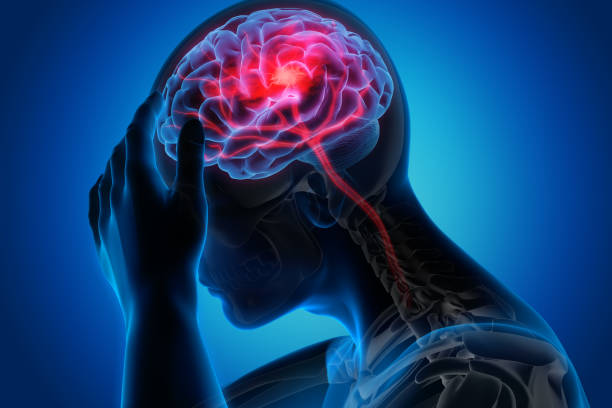
Sudden brain stroke can change lives within minutes. This guide explains how to recognize stroke symptoms in Mohali, when to call a stroke ambulance in Mohali or Punjab, and what immediate actions increase the chance of recovery. If you or a loved one shows signs such as facial droop, slurred speech, or sudden weakness on one side, urgent action is required. Livasa Hospitals – Livasa Mohali – provides 24/7 stroke emergency care and can be reached at +91 80788 80788. Book an appointment or emergency consultation at Livasa Hospitals appointment.
A stroke occurs when blood flow to part of the brain is interrupted or when a blood vessel in the brain bursts. Globally, stroke is a leading cause of death and disability: the World Health Organization estimates around 15 million people suffer stroke worldwide each year, with 5 million left permanently disabled. In India, stroke incidence has been rising due to aging population and increasing prevalence of risk factors such as hypertension, diabetes, smoking and sedentary lifestyles. In Punjab and Mohali specifically, lifestyle-related conditions contribute to significant stroke risk. Local health surveys and hospital records indicate that strokes constitute a substantial portion of neurology emergencies seen in tertiary care centres across Chandigarh-Mohali, with a noticeable number of younger adults affected compared to older patterns in Western countries.
This article aims to help residents in Mohali, Sahibzada Ajit Singh Nagar and nearby areas recognize brain stroke warning signs in Punjab, understand the time-sensitive nature of treatment, and know exactly when to call an ambulance. Rapid recognition and transport to a stroke-ready hospital such as Livasa Mohali can mean the difference between a good recovery and long-term disability. We will cover causes, symptoms, FAST stroke warning signs, first aid, treatment options including thrombolysis and mechanical thrombectomy, local ambulance services, costs, and rehabilitation — all tailored for patients and families in Mohali and Punjab.
A stroke occurs when the blood supply to part of the brain is disrupted. Brain cells quickly begin to die without oxygen and nutrients, which leads to loss of function in the affected area. There are three main types of stroke:
Understanding the distinction matters because treatment differs: ischemic stroke may be eligible for clot-busting medications like intravenous thrombolysis (commonly rt-PA) and mechanical thrombectomy if large arteries are blocked, whereas hemorrhagic stroke often requires blood pressure control, reversal of anticoagulation, and sometimes neurosurgical interventions. In Mohali and across Punjab, stroke care infrastructure in hospitals such as Livasa Hospitals focuses on rapid evaluation, CT imaging, neurocritical care and access to endovascular therapies where indicated. The “time is brain” principle guides modern stroke management — every minute of delay costs neurons and affects outcomes.
Stroke risk is multifactorial. Some causes are non-modifiable while many are preventable or manageable. Key risk factors include:
Local data from regional health surveys suggest hypertension prevalence in Punjab ranges widely but is a major public health issue. Studies conducted in North India estimate stroke prevalence of 200–400 per 100,000 in urban populations, with annual incidence rising among middle-aged adults. Notably, younger stroke cases (under 50) are more common in India than in many Western populations, often linked to lifestyle factors, uncontrolled hypertension, diabetes, and sometimes unusual causes like dissections or genetic conditions.
Practical steps to reduce risk in Mohali and Punjab include routine blood pressure and blood sugar checks, smoking cessation programs, weight management, regular physical activity, and lipid control. For people with atrial fibrillation, appropriate anticoagulation markedly reduces stroke risk — something to discuss urgently with your physician at Livasa Mohali or your primary care provider.
The FAST test is an easy, life-saving tool to quickly identify common stroke signs: Face, Arms, Speech, Time. Use FAST immediately if you suspect a stroke:
While FAST catches many strokes, other warning signs must not be ignored:
Symptoms in women and older adults may be subtler. Women may experience non-traditional symptoms like general weakness, disorientation, nausea, or hiccups, and are more likely to have delayed recognition. Elderly patients can present with sudden confusion or falls rather than classic focal deficits. Transient ischemic attacks (TIAs) may resolve quickly but are strong predictors of imminent stroke; treating TIAs promptly through specialist evaluation can prevent a full stroke.
In Mohali, families must learn to recognize these symptoms and call ambulance stroke symptoms Mohali without hesitation. Every minute delay reduces the window for treatments such as thrombolysis (IV rt-PA) or thrombectomy — interventions that restore blood flow and salvage brain tissue.
Calling an ambulance immediately is essential when stroke is suspected. Do not drive the patient yourself unless an ambulance is not available; emergency services are equipped to stabilize and pre-notify hospitals. Here is a practical decision guide tailored for Mohali residents:
In Mohali and across Punjab, the national ambulance number 108 is widely used; private hospitals including Livasa Mohali also provide direct support — call +91 80788 80788 for immediate assistance and advice. When you call:
Pre-notification of the receiving hospital improves readiness. Ambulance crews in Mohali often pre-alert stroke teams so that CT and laboratory evaluations can begin immediately on arrival. This reduces door-to-needle time, increasing the chance for successful thrombolysis or endovascular therapy at centres like Livasa Hospitals that are equipped for stroke emergencies in Punjab.
While waiting for an ambulance in Mohali, proper first aid actions can stabilize the patient and reduce complications. Follow these steps:
Avoid moving the patient unnecessarily; let trained ambulance crews handle immobilization and transport. If the patient is conscious and able to answer questions, reassure them and note any changes in symptoms. If available, bring a list of current medications, relevant medical records, and identification to the hospital. Time-sensitive information such as recent surgeries, bleeding disorders, anticoagulant use (warfarin, DOACs) and recent events (head injury, major trauma) should be relayed to emergency staff immediately.
These simple actions — calling an ambulance, noting symptom onset, and avoiding oral intake or unprescribed medications — can preserve treatment options and improve outcomes in Mohali’s stroke emergencies. Emergency teams at Livasa Mohali and other stroke-ready centres will initiate rapid imaging (CT/CTA), labs, and specialist assessment on arrival.
Modern stroke treatment is time-sensitive, aiming to restore blood flow and limit brain damage. In Mohali and across Punjab, stroke care pathways focus on rapid imaging, expert neurology/neurointervention assessment and timely therapy. Key emergency treatments include:
The choice between thrombolysis and thrombectomy depends on imaging, time from onset, and stroke severity. Below is a comparison table summarizing differences:
| Procedure type | Benefits | Time window | Availability in Mohali |
|---|---|---|---|
| Intravenous thrombolysis (rt-PA) | Non-invasive, can improve outcomes if given early | Up to 4.5 hours (selected cases) | Available at stroke-ready centres including Livasa Mohali |
| Mechanical thrombectomy | Highly effective for large vessel occlusion, often better outcomes | Typically 6–24 hours depending on imaging | Available at specialised centres, including select hospitals near Mohali |
| Supportive/neurosurgical care | Manages complications, lifesaving in hemorrhage or swelling | Ongoing as required | Available at tertiary hospitals with neuro ICU, including Livasa Mohali |
Thrombolysis availability in Mohali and wider Punjab has improved in recent years, with more hospitals offering 24/7 stroke teams and CT scanning. Mechanical thrombectomy requires a neurointervention suite and trained specialists; centers in and around Mohali provide such services either on-site or via transfer agreements. Livasa Hospitals emphasises quick imaging, expert neurologists and neuro ICU facilities to provide urgent stroke treatment in Mohali. Door-to-needle and door-to-groin times (for thrombectomy) are critical quality metrics — shorter times lead to better outcomes.
Cost considerations differ between procedures and hospitals. The table below gives a broad estimate of treatment costs in Mohali and nearby areas; actual costs vary by patient complexity, length of stay and additional interventions.
| Treatment | Approximate cost range (INR) | Notes |
|---|---|---|
| IV thrombolysis (rt-PA) | 60,000 – 1,50,000 | Depends on drug brand, imaging, ICU stay |
| Mechanical thrombectomy | 2,00,000 – 6,00,000+ | Device costs and specialized team increase expense |
| Neuro ICU stay (per day) | 10,000 – 30,000 | Depends on level of monitoring and support |
Note: These are indicative ranges for Mohali and nearby areas. Many hospitals provide packages, insurance support and financing; Livasa Mohali's patient coordination team can discuss treatment planning, thrombolysis availability and cost estimates when you call +91 80788 80788 or book via online appointment.
Choosing the right hospital quickly is critical. Key components of a stroke-ready hospital include:
Livasa Hospitals in Mohali provides the core elements of stroke care: rapid emergency response, CT imaging, access to thrombolysis and a coordinated neurocritical care team. If you suspect stroke in Mohali, calling Livasa Mohali at +91 80788 80788 ensures quick triage and guidance. When choosing a hospital, ask whether they offer:
For families in Mohali, proximity and the ability to reach a stroke-ready facility within the therapeutic window matter. Livasa Hospitals is positioned to provide urgent stroke care in Mohali and coordinate transfers if higher-level interventional therapy is required. Contact the hospital directly for specifics on thrombolysis availability, thrombectomy arrangements, and emergency protocols.
Stroke recovery begins in the hospital and continues long-term. Early rehabilitation improves outcomes and reduces disability. Rehabilitation typically involves a multidisciplinary team: physiotherapists, occupational therapists, speech-language therapists, clinical psychologists and social workers. Goals include returning to independent daily living, improving mobility, speech and cognition, and secondary prevention to reduce recurrence.
Key elements of post-stroke care and prevention:
Follow-up with a neurologist and stroke clinic is critical. Regular monitoring of blood pressure, lipids, glucose and cardiac rhythm (for AF) reduces the risk of recurrence. In Mohali, Livasa Hospitals offers rehabilitation services and coordinated discharge planning to link patients with outpatient therapy and local resources. Community-based stroke support and secondary prevention programs in Punjab are increasingly available and can be accessed through hospital social work teams.
Families play a central role in recognizing stroke and supporting recovery. Practical guidance includes:
For families in Mohali, early coordination with your local stroke centre can reduce anxiety and speed care. Livasa Mohali’s patient coordination team supports logistics, triage and counselling so families can focus on the patient’s clinical needs and recovery.
Stroke is a medical emergency. Recognizing the FAST stroke warning signs and calling an ambulance immediately in Mohali or anywhere in Punjab saves lives and reduces disability. If you see facial droop, sudden weakness on one side, slurred speech, sudden severe headache, or any sudden neurological change, call emergency services — dial 108 or contact Livasa Mohali at +91 80788 80788. Livasa Hospitals provides urgent stroke care, imaging, neuro ICU and rehabilitation to support patients through acute treatment and recovery. Book an appointment or emergency consultation at https://www.livasahospitals.com/appointment.
Additional resources and next steps:
At Livasa Hospitals – Livasa Mohali — our stroke teams are committed to rapid assessment and evidence-based treatment for residents of Mohali and Punjab. If you suspect stroke, do not wait: time lost is brain lost. Call now: +91 80788 80788 or book through our appointment portal.
Disclaimer: This information is educational and does not replace professional medical advice. For emergency medical care, call local emergency services immediately.
Obesity and Joint Replacement: Weight and BMI Guidelines in Amritsar
Diabetes, Heart Disease and Joint Replacement: Multispeciality Care in Amritsar
Home Modifications After Joint Replacement: Safety Tips for Amritsar Patients
Livasa Healthcare Group Corporate Office,Phase-8, Industrial Area, Sector 73, Sahibzada Ajit Singh Nagar, Punjab 160071
| Mohali | +91-99888 23456 |
| Amritsar | +91-99887 49494 |
| Hoshiarpur | +91-99883 35353 |
| Nawanshahr | +91-75081 82337 |
| Khanna | +91-98888 05394 |
