03 Aug 2026
Obesity and Joint Replacement: Weight and BMI Guidelines in Amritsar

Dr. Vineet Saggar
21 Apr 2026
Call +91 80788 80788 to request an appointment.
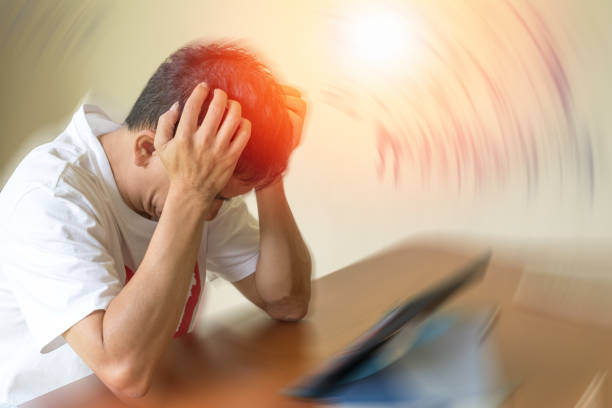
Summer in Amritsar and across Punjab brings sunshine, longer days and outdoor activity — but for many people it also brings a rise in headaches and migraine attacks. This comprehensive guide explains why heat headache Amritsar residents experience more headaches in hot weather, how dehydration headache and hot weather migraine differ, how to recognise dangerous signs, and practical prevention and treatment strategies tailored to the local climate. Whether you seek summer migraine treatment Punjab or are looking for the best neurologist in Amritsar for migraine, this article aims to be a reliable local resource.
Headaches are among the most common neurological complaints globally and in India. Seasonal patterns show a clear increase in headache consultations during hot months when temperature, humidity and behavioural changes interact. In Amritsar, heat waves combined with increased outdoor religious, agricultural and social activities can raise the incidence of heat-related migraine Amritsar and dehydration headache Amritsar. Understanding the mechanisms — including dehydration, salt imbalance, direct heat exposure and sleep disturbance — helps patients, parents and caregivers take timely action.
Globally, migraine affects around 1 billion people and is a leading cause of disability in adults under 50. In India, studies estimate migraine prevalence between 10–25% in different regions. In Punjab and Amritsar, community-level data are limited, but hospital outpatient clinics report clear seasonal spikes in headache visits during April–June. If you experience increasing frequency or intensity of headaches in summer, consider seeking help from a neurologist for migraine Punjab or a headache clinic Amritsar such as the Livasa Amritsar headache clinic for personalised care.
"Summer headaches" is a non-specific term that describes headache episodes that occur or worsen during hot months. These can originate from several underlying causes:
Pathophysiology differs: dehydration headache relates to changes in blood osmolarity and intracranial pressure; hot weather migraine often involves activation of the trigeminovascular system by thermal, chemical (sweat, perfume) or circadian stimuli; heat stroke causes systemic inflammation and central nervous system dysfunction. In Amritsar, prolonged sun exposure during langar line-ups or agricultural work and inadequate rehydration can precipitate these events. Importantly, many patients with an existing diagnosis of migraine notice that their usual triggers (sleep irregularity, skipped meals, strong sunlight or dehydration) are more common in summer, leading to cluster increases in attacks.
Distinguishing between these causes is the first step to effective management. For example, a mild dehydration headache may respond quickly to rehydration and rest, while a hot weather migraine may need specific acute migraine medications and trigger avoidance strategies.
Local lifestyle, climate and cultural events in Amritsar and the wider Punjab region create a unique landscape of risk factors for summer-related headaches:
Among vulnerable groups in Amritsar are elderly adults, outdoor workers, children at play without supervision, pregnant women and people with pre-existing migraine. Children can develop a dehydration headache Amritsar commonly sees during summer holidays when play and sports increase. Pregnant women may experience pregnancy migraine in summer Amritsar and need particular evaluation because treatment options are more limited.
Accurate symptom recognition helps decide whether home care is appropriate or urgent medical attention is needed. Below are typical clinical patterns:
Use of the terms "hot weather migraine Punjab" and "dehydration headache Punjab" reflect local patterns observed by neurologists and emergency departments. If a headache is accompanied by focal neurological deficits (weakness, slurred speech, vision loss), high-grade fever, stiff neck, persistent vomiting or progressively worsens despite fluids and rest, immediate medical evaluation is mandatory.
| Condition | Key features | Urgency |
|---|---|---|
| Dehydration headache | Bilateral dull pain, thirst, reduced urine, improves with fluids | Low–moderate; urgent if persistent or with fainting |
| Hot weather migraine | Throbbing pain, photophobia, nausea, lasts hours | Moderate; seek neurologist if frequent/intense |
| Heat stroke | High temp, confusion, seizures, collapse | Immediate emergency care |
Many summer headaches can be managed at home, but certain signs require clinical assessment. Consider contacting a headache clinic Amritsar or the emergency department at Livasa Hospitals if you experience:
A neurologist for migraine Punjab will take a detailed history focusing on triggers, timing, associated symptoms (aura, nausea), medication use and response to previous treatments. Basic investigations may include blood tests (to check electrolytes, kidney function, inflammatory markers), blood pressure monitoring, and, when indicated, neuroimaging (CT or MRI) to rule out secondary causes. For suspected heat stroke or severe dehydration, emergency blood tests and immediate supportive care are priorities.
For parents: if your child develops dizziness, pale skin, very low urine output, rapid breathing or confusion after playing in the sun, seek emergency care in Amritsar without delay. Livasa Amritsar provides paediatric and adult emergency services and specialist neurology consultations for urgent evaluation.
Treatment for summer headaches depends on the cause and severity. Management strategies fall into acute symptom relief, correction of underlying causes (like dehydration), and preventive therapies for recurrent hot weather migraine. Below is a high-level comparison of common approaches used by headache specialists in Amritsar and across Punjab.
| Treatment type | Benefits | Typical recovery/response time |
|---|---|---|
| Oral analgesics (paracetamol, NSAIDs) | Easily available, effective for mild dehydration/heat headache | 30–90 minutes |
| Triptans (sumatriptan, rizatriptan) | Targeted migraine relief for moderate–severe attacks | 1–4 hours |
| Antiemetics and rehydration (oral/IV) | Control vomiting, restore fluids and electrolytes | Hours to 1 day |
| Preventive medications (beta-blockers, topiramate, CGRP inhibitors) | Reduce frequency and severity of migraine attacks | Weeks to months |
| Non-pharmacologic (hydration, cooling, rest) | Safe, helpful for dehydration and heat headaches | Immediate to hours |
In the emergency setting at Livasa Amritsar, patients with severe dehydration or heat exhaustion may receive IV fluids, electrolyte correction and antiemetics; those with severe migraine unresponsive to oral medications may receive intravenous analgesia and specific migraine therapies. For frequent hot weather migraine, preventive options such as low-dose beta-blockers, calcium channel blockers, antidepressants or newer CGRP monoclonal antibodies can be discussed with your neurologist. Medication choice is individualised — for example, pregnant patients require careful selection to avoid harm.
For children, paracetamol and rehydration are first-line; some migraine-specific medications are available in paediatric formulations but should be supervised by a paediatric neurologist. If you are searching "best migraine specialist Punjab" or "headache specialist near me Amritsar", Livasa Hospitals neurologist team in Amritsar provides tailored acute and preventive plans.
Prevention is often the most effective strategy for reducing the burden of summer headaches. Below are evidence-based and locally practical measures to lower the risk of heat headache Amritsar residents commonly face:
Local community initiatives — such as hydration points at large religious gatherings and market areas — reduce community-level dehydration headache Punjab. At home, keep a simple migraine kit: water bottle, oral rehydration salts, paracetamol and sunglasses. If you have frequent summer migraine attacks despite these measures, consult a neurologist for migraine prevention tips Amritsar adjusted to your health profile.
Certain groups require special consideration when managing summer headaches in Amritsar:
For all these groups, prevention (shade, hydration, regular meals, cooler clothing) remains central. When medications are needed, specialised clinics and neurologists in Punjab can provide evidence-based and safe options for each group.
Distinguishing heat stroke from severe migraine is vital because heat stroke is life-threatening. The table below summarises differences and appropriate responses:
| Feature | Heat stroke | Migraine |
|---|---|---|
| Onset | Rapid after prolonged heat exposure | Gradual or sudden; may follow prodrome/aura |
| Temperature | High core temp (>40°C common) | Usually normal |
| Neurological signs | Confusion, seizures, collapse | Photophobia, phonophobia, possible aura |
| Skin | Hot, dry or sweaty depending on type | Normal |
| Treatment urgency | Immediate ambulance/emergency care | Urgent if severe or new; specialist if recurrent |
If you suspect heat stroke — call emergency services or bring the person to the nearest hospital immediately. While waiting, move them to shade, cool the body with wet cloths or fans and begin oral rehydration if conscious. For severe migraine that does not respond to home measures and causes vomiting or inability to hydrate, emergency department treatment is also recommended.
For residents searching "best hospital for migraine in Punjab" or "headache specialist near me Amritsar", local options include tertiary hospitals and dedicated neurology centres. Livasa Hospitals — Livasa Amritsar offers neurology consultations, headache clinic services and emergency care for heat-related illnesses. Contact: +91 80788 80788 or book an appointment.
Cost of migraine treatment in Amritsar varies by complexity:
| Service | Typical cost range (INR) | Notes |
|---|---|---|
| Neurology consultation | ₹800–₹2,500 | Depends on hospital and seniority |
| Basic blood tests | ₹500–₹2,000 | Electrolytes, kidney function |
| CT head / MRI brain | CT: ₹2,500–₹6,000; MRI: ₹4,000–₹12,000 | If indicated to rule out secondary causes |
| IV fluids and ED care | ₹1,000–₹6,000+ | Depends on observation and meds |
| Preventive medications (monthly) | ₹200–₹30,000+ | Generic options affordable; CGRP inhibitors expensive |
Livasa Hospitals migraine treatment Amritsar provides transparent consultation and treatment planning. For many patients, lifestyle measures and affordable generic preventives are sufficient to reduce summer migraine burden significantly. For those considering advanced biologic therapies, cost discussions and insurance options are part of shared decision-making.
Below are answers to common patient concerns about summer headaches in Amritsar and Punjab:
Yes. Heat, sun exposure and rapid temperature changes can all serve as migraine triggers by activating sensory pathways and altering vascular tone. Many patients with migraine notice increased attacks during hot months (hot weather migraine Punjab). Avoidance of direct sun and attention to hydration can reduce attacks.
Start with oral rehydration using water and electrolytes, rest in a cool shaded place, apply cool compresses to the forehead and take paracetamol if needed. If vomiting prevents oral fluids or symptoms persist, seek medical care for possible IV fluids (dehydration headache treatment Punjab).
See a neurologist for frequent, disabling, changing or unusually severe headaches. Also consult if acute treatment is ineffective or if you need preventive therapy. Livasa Hospitals neurologist Amritsar can assess and personalise a plan.
Some natural measures (hydration, magnesium supplements, riboflavin, cooling, relaxation techniques) can reduce frequency for some patients. They should complement, not replace, medical therapies when needed. Search "natural remedies for summer migraine Amritsar" for community resources but discuss supplements with your clinician.
For some people, cold air, poor AC maintenance (mould, allergens) or rapid temperature changes can trigger headaches. Maintain reasonable AC temperatures, avoid direct cold drafts, and service units regularly.
Summer headaches in Amritsar and Punjab are common and often preventable. Key actions include maintaining hydration, avoiding peak sun exposure, managing salt intake appropriately, and recognising warning signs that require urgent care. For recurrent or disabling hot weather migraine, early consultation with a specialist improves quality of life and reduces hospital visits. Livasa Hospitals offers coordinated neurology, emergency and paediatric services for summer headache management — whether you need dehydration headache treatment Punjab, emergency migraine care Amritsar or long-term preventive therapies.
Book an appointment: Visit Livasa Hospitals appointment or call +91 80788 80788 to reach the Livasa Amritsar neurology team, headache clinic Amritsar and emergency services.
If you are experiencing persistent or severe headaches, do not wait — seek medical advice. With timely care and sensible prevention, most people can reduce the toll of summer headaches and continue enjoying the season safely.
Obesity and Joint Replacement: Weight and BMI Guidelines in Amritsar
Diabetes, Heart Disease and Joint Replacement: Multispeciality Care in Amritsar
Home Modifications After Joint Replacement: Safety Tips for Amritsar Patients
Livasa Healthcare Group Corporate Office,Phase-8, Industrial Area, Sector 73, Sahibzada Ajit Singh Nagar, Punjab 160071
| Mohali | +91-99888 23456 |
| Amritsar | +91-99887 49494 |
| Hoshiarpur | +91-99883 35353 |
| Nawanshahr | +91-75081 82337 |
| Khanna | +91-98888 05394 |
