03 Aug 2026
Obesity and Joint Replacement: Weight and BMI Guidelines in Amritsar

Dr. Kanwaljeet Singh
21 Apr 2026
Call +91 80788 80788 to request an appointment.
This comprehensive guide from Livasa Hospitals — Livasa Amritsar — explains everything Amritsar residents and visitors need to know about typhoid fever, how it spreads, the vaccines available in Punjab, recommended prevention strategies, and practical details such as typhoid vaccine cost Amritsar, where to get vaccinated, and how to book an appointment. If you are searching for “typhoid vaccine near me Amritsar” or “typhoid vaccination centers in Amritsar,” this article provides clear, evidence-based information and local options including how to schedule a vaccination at Livasa Amritsar. For appointments call +91 80788 80788 or book online at Livasa Hospitals appointment.
Typhoid fever is an acute systemic infection caused primarily by the bacterium Salmonella enterica serotype Typhi (S. Typhi). It is a serious foodborne and waterborne disease that mainly affects the gastrointestinal tract but can become a life-threatening systemic illness if not identified and treated promptly. Typhoid is more common in areas with limited access to clean water, poor sanitation, and where food-handling standards are inconsistent. In India, typhoid has long been a public health concern; although incidence has decreased in some areas due to improved water and sanitation, pockets of higher risk remain — including urban and peri-urban zones of many cities such as Amritsar.
Typhoid symptoms often develop gradually over 1–3 weeks after exposure. Common presentations include sustained high fever, headache, weakness, abdominal pain, constipation or diarrhea, and sometimes a characteristic rash of rose-colored spots. The disease can be diagnosed using clinical evaluation plus laboratory tests such as blood cultures, stool cultures, and serological testing. Importantly, there is increasing global attention on antimicrobial resistance (AMR) in typhoid strains, which can complicate treatment. Vaccination is therefore a vital preventive tool especially for children, travelers, and residents in higher-risk communities in Punjab and Amritsar.
Understanding how typhoid spreads is essential for both individual and community prevention. Typhoid is transmitted by the fecal-oral route. This means bacteria in the feces or urine of an infected person — including asymptomatic carriers — can contaminate water, food, or hands. When another person ingests contaminated water or food, they become infected. Common high-risk scenarios in Amritsar and similar urban settings include consumption of street food prepared with untreated water, unhygienic food handling, using contaminated water for washing fruits or vegetables, or drinking untreated borewell or tap water in areas with intermittent supply.
Risk factors include:
In Punjab, including Amritsar, localized outbreaks can occur after monsoon season when water contamination increases. Public health surveillance in India estimates typhoid incidence to remain significant in some regions — the World Health Organization (WHO) and national health agencies recommend vaccination strategies to decrease morbidity and prevent outbreaks, particularly where improvements to water supply and sanitation are still being implemented.
Recognizing typhoid early helps reduce complications. Symptoms usually appear 1–3 weeks after exposure and often begin gradually. Early symptoms mimic many common infections and include fever, malaise, headache, and loss of appetite. As the disease progresses, high sustained fever (often >39°C), abdominal pain, constipation or diarrhea, cough, and sometimes delirium or confusion may occur. Some patients experience a faint rash of rose-colored macules on the trunk. Infants and young children may present atypically, often with prolonged fever and non-specific signs.
Diagnostic approach:
When to seek care: If you or a family member in Amritsar develops a persistent fever for more than 3 days, especially with abdominal pain, vomiting, or signs of dehydration, seek medical attention immediately. Early medical review reduces the risk of complications (intestinal perforation, hemorrhage, severe systemic infection). At Livasa Amritsar, physicians can arrange prompt testing and start appropriate treatment, and for bookings you can call +91 80788 80788 or book online at Livasa Hospitals appointment.
When typhoid is suspected or confirmed, timely antibiotic therapy is the cornerstone of treatment. Historically, first-line antibiotics included chloramphenicol, ampicillin, and trimethoprim-sulfamethoxazole; however, over the past few decades many strains developed resistance. Current recommended therapies often include fluoroquinolones, third-generation cephalosporins (e.g., ceftriaxone), azithromycin, and in some cases, newer agents guided by local susceptibility patterns.
Important treatment considerations:
Antimicrobial resistance is an increasing global threat. Extensively drug-resistant (XDR) typhoid strains have been reported in South Asia, and this challenges treatment effectiveness. Preventing infection through vaccination and improving water, sanitation, and hygiene (WASH) measures are critical ways to reduce reliance on antibiotics and limit the spread of resistant strains in Amritsar and across Punjab.
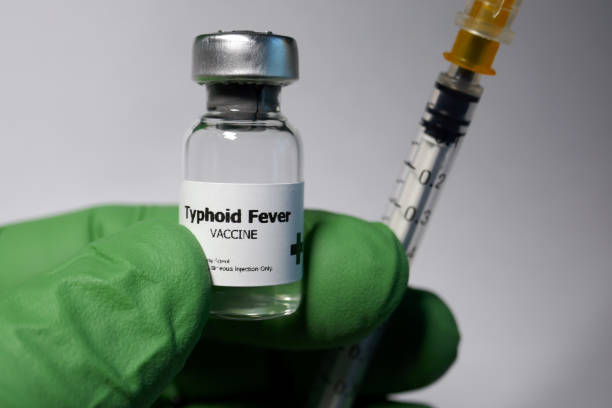
Vaccination is a proven method to reduce the risk of typhoid fever, particularly in areas where typhoid remains endemic or for travelers going to high-risk locations. There are three main types of vaccines used globally and several formulations available in India and Punjab:
The following table compares these vaccine types to help Amritsar residents understand choices, benefits, and practical considerations.
| Vaccine type | Age suitability | Dosing schedule | Key benefits |
|---|---|---|---|
| Typhoid conjugate vaccine (TCV) | From 6 months and up | Single IM dose (booster policies vary) | Longer protection, suitable for infants, strong immune response |
| Vi polysaccharide (injectable) | 2 years and up | Single IM dose; repeat every 2–3 years if ongoing risk | Widely available; simple single-dose schedule |
| Live oral Ty21a | Usually 6 years and up (varies by product) | Multiple oral doses over several days; booster every 3 years | Oral administration, good mucosal immunity, non-invasive |
Vaccine efficacy: Clinical trials and population studies show that TCVs offer high protection and longer duration compared with older Vi polysaccharide vaccines and oral Ty21a. WHO recommends TCVs for routine childhood use in endemic countries because they can significantly reduce disease burden and transmission when combined with WASH improvements and public health measures.
For residents of Amritsar and the wider Punjab state, understanding the recommended vaccine schedule helps plan protection for children, adults, and travelers. National and WHO recommendations have increasingly favored typhoid conjugate vaccines (TCV) because they can be given to young children and provide longer-lasting protection. Specific schedules may vary slightly by vaccine brand and local public health guidance.
Below is a practical comparison table summarizing typical schedules used in India and Punjab settings:
| Vaccine | Typical initial dose | Booster recommendation | Age limits |
|---|---|---|---|
| TCV (conjugate) | Single IM dose (e.g., 5–25 µg depending on product) | Booster not routinely required for all; follow local guidelines (some suggest booster 3–5 years in high-risk settings) | From 6 months onward |
| Vi polysaccharide (injectable) | Single IM dose | Repeat every 2–3 years if risk persists | 2 years and older |
| Ty21a (oral) | Multiple oral doses given over days | Booster every 3 years if ongoing risk | Usually 6 years and older (product dependent) |
Practical advice for Amritsar residents:
One of the most frequently searched topics among local residents is “typhoid vaccine cost Amritsar” or “typhoid vaccination cost Punjab.” Prices vary depending on vaccine type (TCV, ViPS injectable, or Ty21a oral), the clinic or hospital, and whether government immunization programs are offering subsidized vaccination. Private hospitals and vaccination centers such as Livasa Amritsar provide vaccines to the public, often with transparent pricing and the option to schedule appointments.
The following table gives approximate price ranges commonly seen in urban Indian settings such as Amritsar and across Punjab. Prices are indicative and may change; contact Livasa Amritsar for exact typhoid vaccine price in Amritsar and to confirm stock.
| Vaccine | Approx. cost in Amritsar (INR) | Notes |
|---|---|---|
| TCV (conjugate) — single dose | ₹700–₹2,000 | Higher price range reflects branded products and hospital administration fees |
| Vi polysaccharide (injectable) | ₹300–₹1,200 | Common and widely available; may require repeat doses |
| Ty21a (oral) | ₹500–₹1,500 (full course) | Multiple capsules per course; pricing varies by brand |
At Livasa Amritsar, the typhoid vaccination cost Livasa Hospitals and the exact services included (consultation, vaccine administration, post-vaccine observation) will be provided at the time of booking. To check the current typhoid vaccination cost near me or the typhoid vaccine price in Amritsar, call +91 80788 80788 or visit book a typhoid vaccine appointment online.
If you are looking for “typhoid vaccination centers Amritsar” or “where to get typhoid vaccine in Amritsar,” options include government immunization clinics, private hospitals, and travel clinics. Livasa Amritsar provides typhoid vaccination services for children and adults, including both injectable and oral options depending on availability. Choosing a trusted healthcare center ensures proper cold chain handling, correct administration, and appropriate counseling about side effects and follow-up.
How to book at Livasa Amritsar:
Nearby locations and local relevance: Livasa Amritsar is situated to serve residents across the city and nearby neighborhoods — whether you live in areas around Golden Temple, Hall Bazaar, Ranjit Avenue, or GT Road. Local public health outreach often collaborates with hospitals and private clinics to increase vaccine access during high-risk seasons. If you’re searching “typhoid vaccine for travelers from Amritsar,” Livasa Amritsar can provide travel counseling and appropriate vaccine recommendations tailored to your itinerary.
Vaccination is a powerful preventive tool, but safe water, sanitation, and hygiene (WASH) measures are equally important to prevent typhoid transmission at community and household levels. For Amritsar residents, combining individual-level precautions with community-level interventions reduces overall risk. The following practical prevention tips help protect families and neighborhoods:
Public health statistics: Globally, typhoid causes hundreds of thousands of deaths annually in the pre-vaccine era, but modern surveillance suggests improved outcomes where vaccination and WASH programs have been implemented. In India, while national immunization coverage has improved, localized typhoid cases continue, prompting state-level efforts in Punjab to expand access to TCV and other protective measures. These interventions are especially important in densely populated areas of Amritsar where contamination risk may be higher during monsoon months.
Typhoid vaccines are generally safe and well tolerated. Understanding possible side effects and who should avoid specific vaccine types helps patients make informed decisions. Most side effects are mild and self-limiting; serious adverse events are rare.
Common side effects:
Contraindications and precautions:
Post-vaccine care and reporting:
Below are answers to commonly asked questions by Amritsar residents about typhoid vaccination, boosters, and prevention.
Q: Who should get typhoid vaccine in Amritsar?
A: Children in endemic areas, travelers to high-risk regions, food handlers, healthcare workers, and household contacts of known carriers should consider vaccination. Discuss personal risk with your doctor.
Q: What is the recommended typhoid booster in Punjab?
A: Booster recommendations depend on vaccine type, age, and ongoing risk. ViPS often requires repeat doses every 2–3 years; Ty21a boosters every 3 years; TCV may not require routine boosters for all but local guidance should be sought. For specific plans such as “typhoid booster in Amritsar” consult Livasa Amritsar for personalized advice.
Q: Can infants receive typhoid vaccine in Amritsar?
A: Yes — TCVs are approved for infants from 6 months onward and are an important tool to protect young children in endemic settings.
Q: How do I check typhoid vaccine availability and cost at Livasa Hospitals?
A: Call +91 80788 80788 or use Livasa Hospitals appointment to inquire about vaccine type, typhoid vaccination schedule Livasa Hospitals Amritsar, and typhoid vaccination cost Livasa Hospitals. Staff will help with scheduling and provide pre-vaccination screening.
Q: Will vaccination completely prevent typhoid?
A: No vaccine is 100% effective. Vaccination significantly reduces the risk and severity of disease, and when combined with WASH measures it reduces community transmission substantially.
Protect yourself and your family from typhoid. For reliable typhoid vaccination in Amritsar — whether you need an oral dose, injectable ViPS, or the newer typhoid conjugate vaccine for children — contact Livasa Amritsar. Call +91 80788 80788 or book an appointment online to check availability, vaccine schedule, and current typhoid vaccine cost in Amritsar and Punjab.
For travellers, caregivers, and communities, combining vaccination with sensible water and food safety practices is the best strategy to reduce risk. Livasa Amritsar’s infectious disease and pediatric teams are available to advise on the best vaccine option for your age, medical history, and travel plans.
Disclaimer: Information in this article is educational and reflects best practice and available evidence; it does not replace medical advice. Always consult a qualified clinician at Livasa Hospitals for personalized recommendations, especially for infants, pregnant or breastfeeding women, and individuals with immunosuppression.
Obesity and Joint Replacement: Weight and BMI Guidelines in Amritsar
Diabetes, Heart Disease and Joint Replacement: Multispeciality Care in Amritsar
Home Modifications After Joint Replacement: Safety Tips for Amritsar Patients
Livasa Healthcare Group Corporate Office,Phase-8, Industrial Area, Sector 73, Sahibzada Ajit Singh Nagar, Punjab 160071
| Mohali | +91-99888 23456 |
| Amritsar | +91-99887 49494 |
| Hoshiarpur | +91-99883 35353 |
| Nawanshahr | +91-75081 82337 |
| Khanna | +91-98888 05394 |
