03 Aug 2026
Obesity and Joint Replacement: Weight and BMI Guidelines in Amritsar

Dr. Kanwaljeet Singh
21 Apr 2026
Call +91 80788 80788 to request an appointment.
Summer in Amritsar and across Punjab brings high temperatures that increase the risk of water contamination, spoilage, and waterborne illness. This long-form guide from Livasa Hospitals — Livasa Amritsar offers an evidence-based, patient-friendly comparison of boiled water and water purifiers (RO, UV, UF and gravity-based systems). We explain the science, the local challenges in Amritsar, practical tips to keep drinking water safe, and clear guidance on when to choose boiling, a purifier, or both. If you have urgent concerns or symptoms of waterborne disease, Livasa Amritsar’s Infectious Diseases and Gastro & Liver teams are available at +91 80788 80788 and online at Book an appointment.
Hot weather accelerates microbial growth, shortens the shelf life of stored water, and increases the demand for drinking water. In Amritsar — with its mix of municipal piped water, borewell sources, and variable distribution infrastructure — residents face seasonal spikes in gastroenteritis, diarrhoea and other waterborne illnesses during heatwaves. Understanding whether boiled water or a water purifier is safer depends on what contaminants are present, how water is stored and handled, and practical constraints like cost and maintenance.
Globally, unsafe drinking water remains a major cause of illness. According to the World Health Organization, contaminated water contributes to roughly 485,000 diarrhoeal deaths each year worldwide — a reminder of how critical safe water is for public health. In India and Punjab, local public health departments and hospital emergency services regularly report increased cases of waterborne diseases in the summer months. Clinicians at Livasa Amritsar note a pattern every year: as temperatures rise, so do presentations of acute gastroenteritis, vomiting, and dehydration — particularly among young children and elderly residents.
For households in Amritsar, practical, affordable solutions are needed. This article breaks down causes and risks, explains how boiling and different purifiers work, compares their strengths and limitations, and gives step-by-step recommendations tailored to Amritsar water conditions and the realities of Punjab households.
To choose the right method for making water safe, you first need to know what’s in the water. In Amritsar and many parts of Punjab, drinking water may be affected by a combination of microbial, physical and chemical contaminants. Each requires a different approach to treatment.
Microbial contaminants: Bacteria (E. coli, Salmonella, Shigella), viruses (norovirus, hepatitis A), and protozoa (Giardia, Cryptosporidium) are common causes of acute diarrhoeal illness. These organisms thrive when temperatures rise and when distribution pipes are compromised or stored water sits for long periods. Boiling kills most bacteria and viruses but may not reliably inactivate certain protozoan cysts without sufficient time or filtration.
Chemical contaminants: Groundwater in parts of Punjab has documented issues with hardness (high calcium and magnesium), elevated nitrates from fertilisers, and in some areas, fluoride and arsenic. These are not removed by boiling; in fact, boiling can concentrate some dissolved chemicals. Reverse osmosis (RO) systems can remove many dissolved salts and chemicals but also remove beneficial minerals unless re-mineralization is provided.
Physical and aesthetic issues: Suspended solids, turbidity, and organic matter can shelter microbes and reduce the effectiveness of disinfection. UV systems require relatively clear water to work well; high turbidity reduces UV penetration. Gravity and cartridge filters reduce turbidity and improve taste and clarity but have variable microbial removal efficiency depending on pore size.
Local variability: Municipal tap water quality in Amritsar varies by neighborhood and time of day. During low-pressure events or pipe bursts, contamination risk rises. Borewell water quality varies by depth and chemistry. That’s why we recommend testing — see the section on “where to test water quality in Amritsar” below — before selecting a purification strategy.
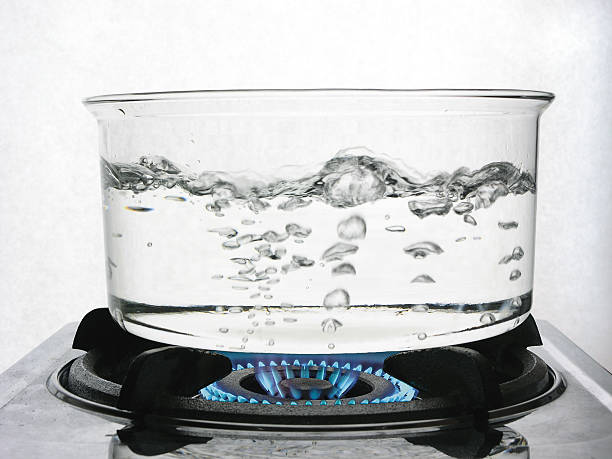
Boiling is one of the oldest and simplest household water treatments. The goal is to inactivate disease-causing organisms through heat. When water reaches a rolling boil, the elevated temperature kills most bacteria, viruses and many protozoa. But the safety of boiling depends on correct technique and follow-up handling, particularly in warm climates such as Amritsar’s summers.
Effective boiling practice:
What boiling does not do:
Practical limitations in Amritsar heat: Boiled water stored at ambient summer temperatures can be quickly recontaminated if containers are not sanitized and kept sealed. Frequent boiling is fuel- and time-intensive for families. For households relying on boiled water as a sole method, attention to storage and handling is equally as important as the boiling itself. In addition, boiling concentrates non-volatile solutes, so dissolved salts become more concentrated if significant evaporation occurs.
Water purifiers use one or more technologies — reverse osmosis (RO), ultraviolet (UV) disinfection, ultrafiltration (UF), activated carbon, and gravity filtration — often combined into a multi-stage system. Each has strengths and weaknesses, and the best choice for Amritsar depends on water quality, household size, budget and maintenance capacity.
Short descriptions:
Table: technology comparison for typical Amritsar water challenges
| Technology | Removes microbes | Removes dissolved chemicals | Works with turbidity | Electricity required |
|---|---|---|---|---|
| RO (with pre-filters) | Yes (very high) | Yes (salts, nitrates, arsenic) | Needs pre-filtration for high turbidity | Yes |
| UV (with sediment/carbon) | Yes (bacteria/viruses) | No | Requires low turbidity | Yes |
| UF | Yes (bacteria, protozoa) | No | Handles moderate turbidity | No (some units passive) |
| Gravity/ceramic filters | Variable (depends on pore size) | No | Better for high turbidity than UV | No |
For Amritsar households with borewell or hard municipal water (high TDS), an RO system with pre-sediment and activated carbon filters is often recommended. If the water supply is municipal, treated and has low TDS but occasional microbial risk, a UV + activated carbon setup with pre-filtration may be sufficient. UF systems are attractive when mains water is microbiologically suspect but chemical contamination is not an issue. Always start with water testing to confirm TDS, nitrates, turbidity and presence of specific contaminants.
Households in Amritsar often weigh the simplicity of boiling against the convenience of purifiers. Below is a consolidated comparison addressing efficacy, costs, mineral retention, maintenance, and suitability during Amritsar’s hot months.
| Method | Microbial safety | Chemical removal | Cost / ongoing | Best use in Amritsar |
|---|---|---|---|---|
| Boiling | High for bacteria & viruses; variable for protozoa | No (may concentrate) | Low equipment cost; fuel/time ongoing | Small households, emergency use, where chemicals are not a problem |
| RO (+ pre-filters) | Very high (includes protozoa) | High (salts, nitrates, arsenic) | Moderate to high (purchase & regular servicing) | Borewell/hard water households in Amritsar with high TDS/chemicals |
| UV (+ pre-filters) | High for bacteria & viruses | No | Moderate (lamp replacement yearly) | Municipal water with low TDS but microbial risk |
| UF / Ceramic / Gravity | Good for bacteria & protozoa; variable | No | Low to moderate (filter replacement) | Areas with intermittent supply and turbidity; off-grid homes |
Practical recommendations:
Choosing the right system means also understanding purchase price, recurring maintenance and local support. Costs in Amritsar vary by brand, capacity and technology. Below is a simplified cost and maintenance comparison to help you plan.
| Type | Approx. purchase price (INR) | Annual maintenance | Typical parts to change |
|---|---|---|---|
| Basic gravity/ceramic | 2,000–7,000 | Low (filter cleaning) | Ceramic cartridges, sediment filters |
| UF/UV combo | 6,000–18,000 | Moderate (lamp & filters) | UV lamp (yearly), pre-filters |
| RO + UV + mineralizer | 12,000–35,000 | Moderate to high (membrane & service) | RO membrane (2–3 years), filters, pump service |
Where to buy in Amritsar:
Where to test water quality in Amritsar:
Making water safe is only half the task. In Amritsar’s hot climate, how you store and handle water determines whether it stays safe by the time you drink it. Recontamination after treatment is common and often overlooked.
Best storage and handling practices:
For families using RO or UV purifiers, regular servicing is essential. Filters and membranes accumulate solids and biofilm; if not changed, they can become a source of contamination. Keep a service log and use authorized technicians in Amritsar to ensure parts are genuine and maintenance is done correctly.
Despite prevention, waterborne illnesses may still occur. Rapid recognition and appropriate treatment reduce complications. In Amritsar’s climate, children, elderly people and those with chronic conditions are most vulnerable.
Common symptoms to watch for:
First-line home care:
When to seek medical care at Livasa Amritsar:
Treatment at Livasa Amritsar: Our Gastro & Liver and Infectious Diseases teams evaluate clinical history, perform stool and blood tests, and provide targeted therapy including rehydration, antibiotics or antiparasitic medicines when indicated. We also assist with diagnostic water testing if a household or community source is suspected to be contaminated.
Use this actionable checklist during heatwaves and times of suspected contamination in Amritsar. It’s designed for households, schools and small workplaces.
Emergency disinfection options when boiling or purifiers are not available:
Both methods can be safe when used correctly. Boiling is simple and effective for killing many pathogens and is an excellent short-term or emergency solution. However, in Amritsar’s context — where borewell water and hard municipal water can contain dissolved chemicals and high TDS — a quality water purifier (often RO + UV + pre-filters with a re-mineralizer) provides more comprehensive safety for day-to-day drinking water. For municipal supplies with low TDS but occasional microbial risks, UV + pre-filtration preserves minerals and is highly effective.
The best approach is evidence-based: test your water first, then choose a method matched to the contaminants present. Maintain whichever system you choose — boiled water needs careful storage and handling; purifiers need scheduled servicing. During heatwaves, prioritize clean storage, frequent consumption of fresh treated water, and rapid medical attention for anyone showing signs of waterborne illness.
Livasa Amritsar’s Infectious Diseases and Gastro & Liver teams are here to help Amritsar families make informed decisions, diagnose waterborne illness promptly, and guide you through water testing and purifier selection. Call us at +91 80788 80788 or book an appointment.
If you live in Amritsar or nearby areas and are unsure whether boiling or a particular water purifier is best for your home, our specialists can:
For expert advice and appointments, contact Livasa Amritsar at +91 80788 80788 or book online.
Obesity and Joint Replacement: Weight and BMI Guidelines in Amritsar
Diabetes, Heart Disease and Joint Replacement: Multispeciality Care in Amritsar
Home Modifications After Joint Replacement: Safety Tips for Amritsar Patients
Livasa Healthcare Group Corporate Office,Phase-8, Industrial Area, Sector 73, Sahibzada Ajit Singh Nagar, Punjab 160071
| Mohali | +91-99888 23456 |
| Amritsar | +91-99887 49494 |
| Hoshiarpur | +91-99883 35353 |
| Nawanshahr | +91-75081 82337 |
| Khanna | +91-98888 05394 |
